Digital connectivity often feels like a background utility, similar to electricity or running water, until the moment it begins to under perform. For residents and business owners evaluating their options by searching fiber internet near me, the search is typically driven by a desire for more consistent performance and greater bandwidth capacity. Understanding how this technology works and how it integrates into a home or office can help you make a more informed decision about your connectivity needs.
The fundamental shift in network delivery
At its core, the transition to fiber optic internet in your area represents a change in how information is transmitted from the service provider to your modem. Traditional connectivity methods often rely on copper wires, which were originally engineered for audio signals. These systems can be susceptible to environmental interference, signal degradation over long distances, and physical limitations that affect the speed of data transmission.
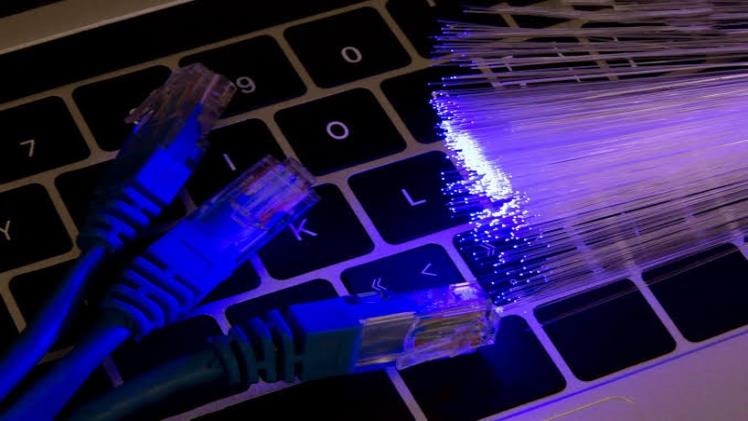
Fiber technology uses light pulses sent through thin strands of glass or plastic. This method provides several inherent advantages. Light can carry information across greater distances with less signal loss compared to electrical impulses in copper. Furthermore, the physical nature of fiber allows for symmetrical speeds, meaning the capacity for uploading data is often comparable to the capacity for downloading. This is a meaningful shift for households that frequently participate in video conferencing, cloud-based collaboration, or large media transfers, as it prevents the bottle necking that frequently occurs when upload speeds are significantly restricted.
What to expect during the transition process
When you decide to explore fiber internet in your area, the process involves several technical and logistical stages. Initial inquiries often start with verifying coverage, as infrastructure deployment is a localized effort. Unlike technologies that use existing phone or cable lines, fiber often requires a physical line to be run from the nearest distribution point to your specific structure.
Once service is established, a technician typically installs an optical network terminal. This hardware functions differently than a traditional modem; it converts the light signals arriving from the street into electrical signals that your internal router can understand. A primary consideration during this stage is the physical entry point for the fiber cable. Since the cable is delicate, the installation team generally assesses the most direct path into the building to minimize exposure to potential damage or extreme bending.
As you integrate this new service, you may notice that the stability of your connection becomes more reliable. Because fiber is less sensitive to the electrical fluctuations or temperature-related expansion that can impact metallic infrastructure, the connection typically holds a more consistent speed profile throughout the day. This reliability is often the most appreciated aspect of the upgrade, rather than simply the raw peak speed numbers.
Assessing signs of network health and potential improvements
Even with high-capacity connectivity, the user experience can vary based on how the network is distributed within a space. If you notice inconsistent performance—such as intermittent buffering or delayed responses—it is useful to distinguish between the service delivered to the building and the signal strength inside the rooms.
Connectivity issues are frequently internal. Wireless router placement, the presence of physical obstructions like concrete walls or large appliances, and the age of local networking equipment are common factors that influence the quality of the signal. If you are using fiber optic internet in your area, you may find that the capacity of your service reveals weaknesses in older internal hardware. Upgrading your local router to a more modern standard can often unlock the full potential of the connection, ensuring that the high-speed data reaching your home is actually accessible to your devices.
Regular monitoring of your network, using diagnostic tools provided by the service platform, can help you identify whether a slowdown is isolated to a specific device or a broader issue with the local network. A proactive approach involves checking for firmware updates on your router and ensuring that your wireless channels are not overly congested by neighboring networks.
Sustaining results and long-term planning
Maintaining a high-quality connection is often about balancing your actual usage needs with the infrastructure you have in place. As more household devices become part of the local network, the demand for bandwidth tends to increase. At this point you may search for fiber optic internet near me for new connections that fulfills your requirement, but thoughtful management of your network—such as prioritizing critical traffic for work or education—can help ensure that your connection remains effective during high-demand periods.
Thinking about the long term means considering how your connectivity needs might change. Many people find that after transitioning to fiber internet in your area, they rely more on cloud storage, remote backup solutions, and streaming media. These habits are sustainable on a robust fiber connection because the architecture is designed to handle increased traffic loads without the significant performance drop-offs seen in older technologies.
When you communicate with providers, ask about the scalability of their service plans and what support resources are available for troubleshooting internal network issues. A reputable provider generally offers clear guidance on how to optimize your home or office setup to take full advantage of the infrastructure. By viewing your internet connection as an evolving component of your home environment rather than a static purchase, you can ensure that your technology continues to support your requirements as they shift over time.
The transition to advanced connectivity is rarely about a single day of installation; it is about building a foundation that allows for greater flexibility and reliability in how you interact with digital services. Whether you are seeking better support for a home office, improved reliability for entertainment, or simply a more robust connection for the entire family, staying informed about how the system functions will help you derive the most value from your digital environment in the years to come.